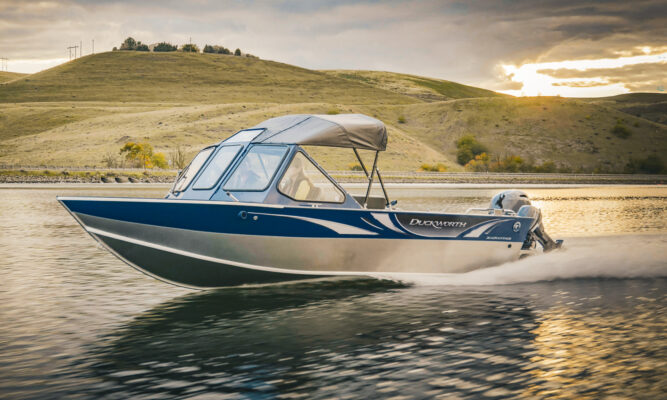
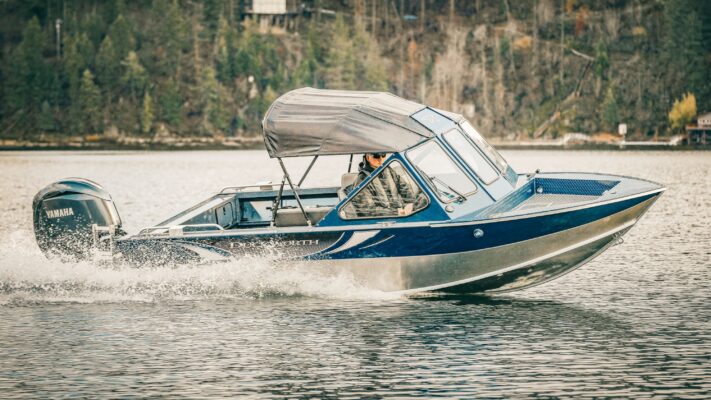
Atlas



Writer/Photographer: Anthony Marrese (Duckworth Ambassador)(High Peaks Representative)
There is little more authentically northwest than enjoying some of the wonderful seafood the cold pacific water has to offer. I lovingly refer to anything we catch from the ocean as “gifts from the sea,” and a core part of that are the Dungeness crab that come from the Puget Sound. Its cold water, slightly less salty than the open ocean due to its many river mouths, makes a perfect environment for “Dungies” to thrive. These crabs are some of the best tasting seafoods in the world and are easily accessible to both experienced crabbers and those who are brand new. While it is possible to get a couple from the shore, it’s better in a boat…and best in a Duckworth.
Each year recreational crabbers catch over 1.5 million pounds of crabs in Washington state. Puget Sound is one of the most productive and accessible crabbing regions in the Pacific Northwest. With its sheltered bays, eelgrass beds, and sandy bottoms, it’s prime habitat for Dungeness crab. These prized crustaceans are known for their sweet, tender meat and can grow up to 8 inches across. From Bellingham Bay to Hood Canal, the Sound offers countless drop zones for recreational crabbers. And thanks to Washington’s well-managed seasons and licensing system, the experience is both sustainable and rewarding.
What makes Puget Sound especially appealing is its accessibility—many productive crabbing spots are just a short run from public boat launches and marinas. The calm, protected waters are ideal for both seasoned boaters and newcomers, making it a perfect destination for family outings or weekend getaways. With a Duckworth boat beneath you, navigating these waters becomes effortless, allowing you to focus on the thrill of the catch. Whether you’re dropping pots at sunrise or hauling them in at dusk, crabbing in Puget Sound offers a unique blend of adventure, tradition, and Pacific Northwest beauty.
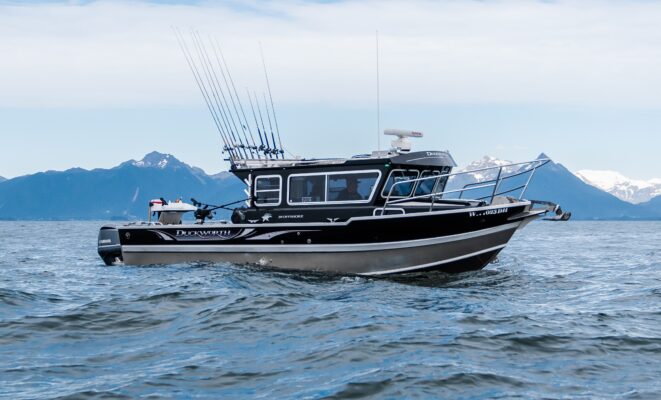
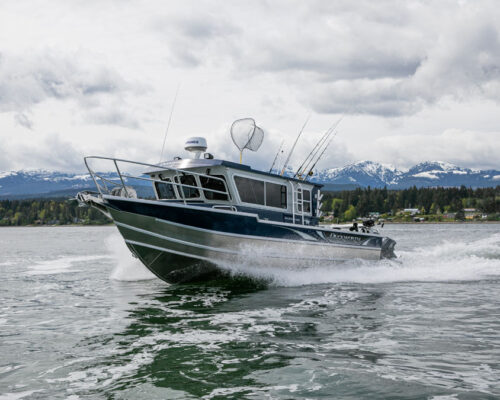
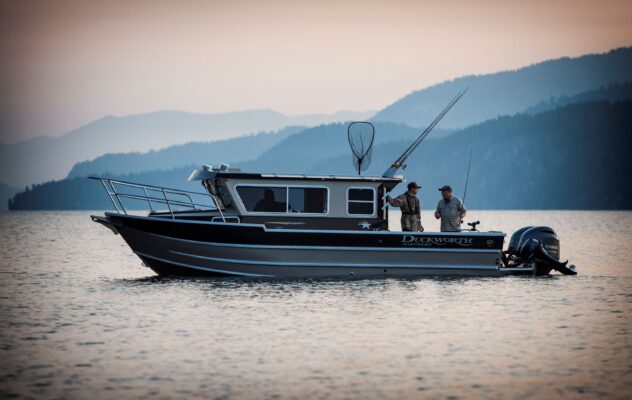
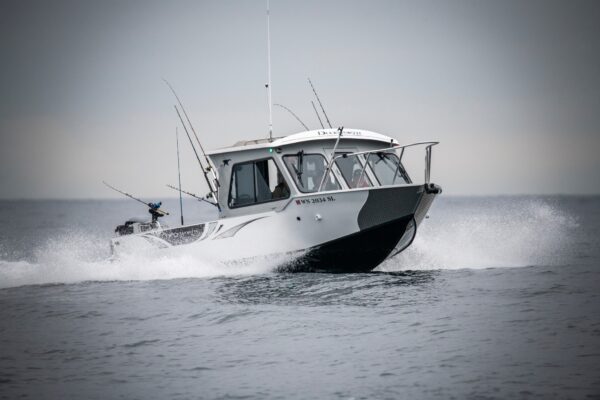
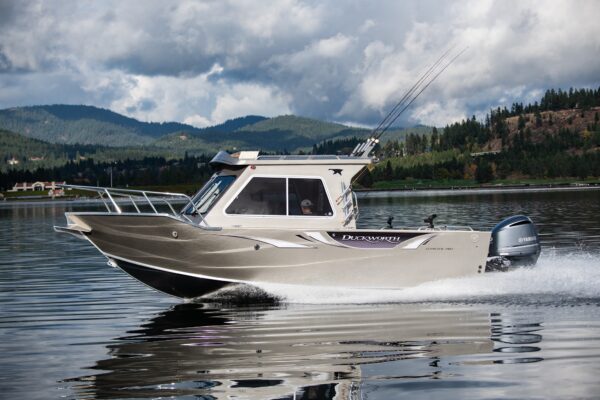
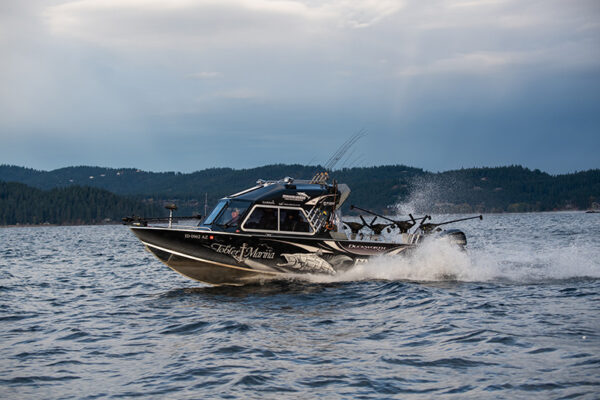
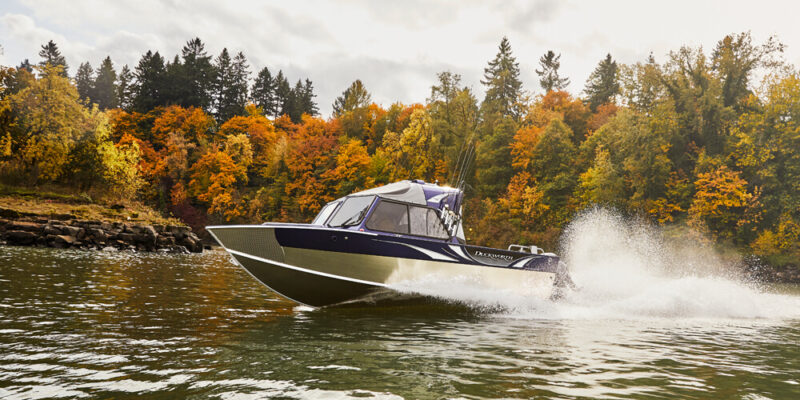
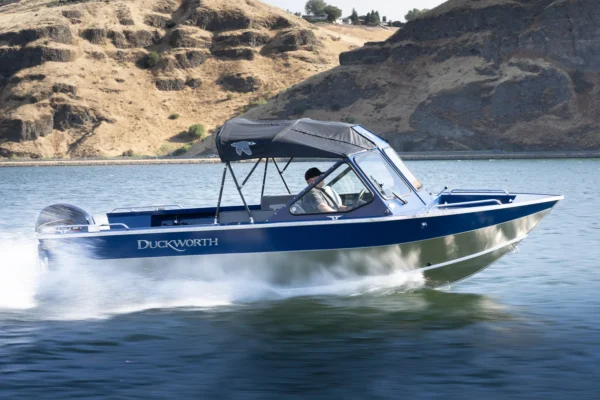
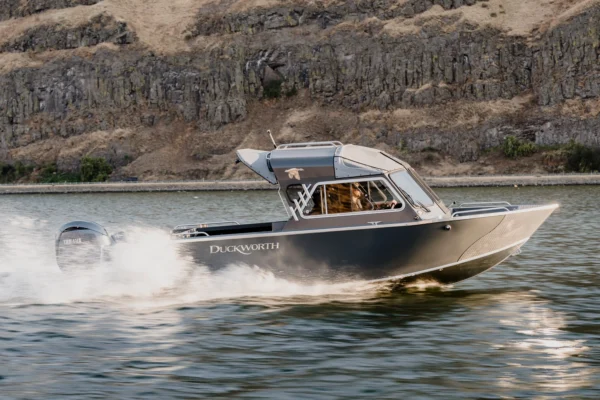
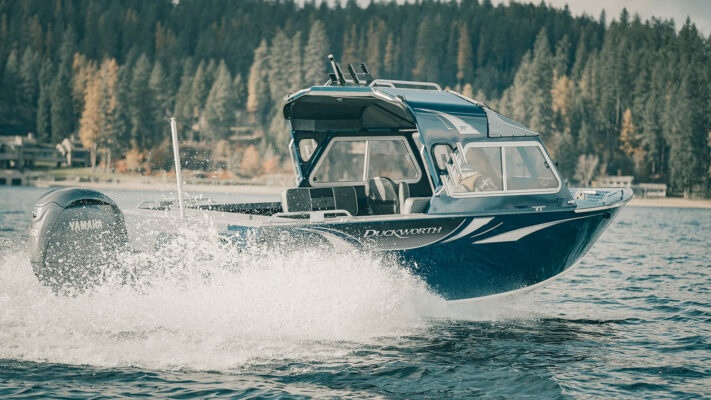
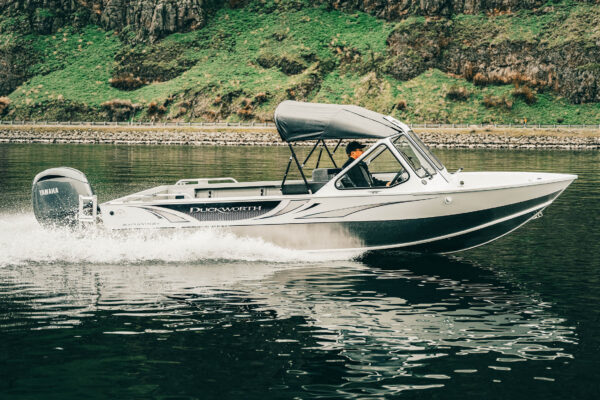
There is no better vessel to target Dungeness crabs in than a Duckworth. The all-welded heavy gauge construction holds up to the stresses that hauling up heavy crab pots can put on the rails of your boat. The stability provided by the massive reverse chines not only provides you with an instant lift between your pot sets, but it also keeps your boat stable when everyone on board wants to lean over the rail to see the bounty being brought to the surface. The Advantage, Discovery, Navigator, Pacific Pro, Offshore and Atlas lines from Duckworth all provide extremely well thought out layouts and deck configurations that lend themselves to a successful day crabbing on the Puget Sound.

The crab season in Puget Sound is very generous, but broken into two different times of year, summer season and winter season. The summer season sees the highest level of participation due to warmer weather, less rain, and longer daylight. The exact day for the opener is always a little different, but is usually late June or early July and will last until the early fall. Some marine areas can be open everyday, but some of the more popular marine areas are only open on specific days of the week, so make sure to check on the regulations via the WDFW app before you go to make sure that you are crabbing in an open area.
The winter season is typically longer and is open 7 days a week for all of the marine areas. It will usually open towards the end of October and usually stays open until the end of the calendar year. This season can be rewarding, but caution is key because the usual calm waters of the Sound can be treacherous, the temperatures will be cold, and the days short. Check out our blog on cold water boating to make sure that you can prepare yourself and your Duckworth to provide legendary adventures regardless of the thermometer.
Because Washington state does a good job regulating the crab populations in Puget Sound, the opportunities are often the same every year, but please always check the local regulations before you leave the dock on a crabbing trip.


To get the best experience for a day of crabbing, it’s best to know your variables. With a Duckworth under your feet, you can have the confidence to dominate anything that could get in your way. However, just because your boat can handle anything doesn’t mean your pot puller, your crew, or your gear can, so it’s still best to always check your conditions before you intend to go out.
The first thing I always do once I know the conditions are favorable is to check the tides. Crabbing is best during the slack tide periods where there isn’t much current and the crabs can move and feed freely. Try to drop your pots at least one hour before slack tide and let your pot soak until at least one hour after slack tide. Target areas that are between 30 and 100 feet deep and have sandy bottoms for Dungeness. If there is a river mouth or freshwater return to the area you intend to crab, that’s bonus points.


It can be difficult to give your pots the time they need to soak if you are just floating around, but the good news is that in the summer, salmon is typically open, and in the winter there can be phenomenal squid fishing to be had, so I always give one or the other a try in between my pulls.
Once the pots have soaked, and you have pulled up your limit of crabs, it begs the question: what to do next? I always like to use the ample amount of storage on a Duckworth to keep the crabs alive in saltwater until I am back at the dock. I would recommend that you dispatch and clean your crabs at the dock, and either cook your crabs dockside, or put them right on ice and steam them when you get home. Once your crabs are steamed for at least 14 minutes, I like to cool them off in ice until they are fully chilled and enjoy them with hot clarified butter with family and friends. If you want to store your crab, it can be done successfully, but keep in mind the flavor and texture will suffer compared to fresh cracked crab. If you want to save some crab, I recommend that you pick them clean and separate leg and body meat. Once you have the meat drained and ready to pack, you can pack them into vacuum bags and freeze. If you have a chamber vac sealer it works very easily. If you have a food saver type vacuum sealer, I have learned that putting some paper towel around the crab in the bag will help you get a tighter seal and it will freeze better.
I hope these tips are helpful, and you can feel confident to stay safe, and be successful on your next legendary Puget Sound crabbing adventure